🌙 Why Amber Light Supports Melatonin Production in Babies
Nightlights are supposed to help babies sleep, right?
Not if they’re the wrong color.
Here’s why The Dreamer uses melatonin-safe amber light, and why most white or blue nightlights can actually hurt your child’s sleep.
🧠 What Is Melatonin?
Melatonin is a hormone released by the brain to regulate the sleep-wake cycle. It rises in the evening when light fades, helping us feel drowsy.
But exposure to blue and white light can:
-
Delay melatonin release
-
Confuse your child’s circadian rhythm
-
Disrupt bedtime routines
🔦 Enter Amber Light
Amber and red-toned light:
-
Mimic natural firelight (what our ancestors evolved with)
-
Have minimal effect on melatonin
-
Create a calming, womb-like glow
That’s why sleep scientists, pediatricians, and even NICU designers are turning to amber lighting.
🟠 The Dreamer’s Amber Glow
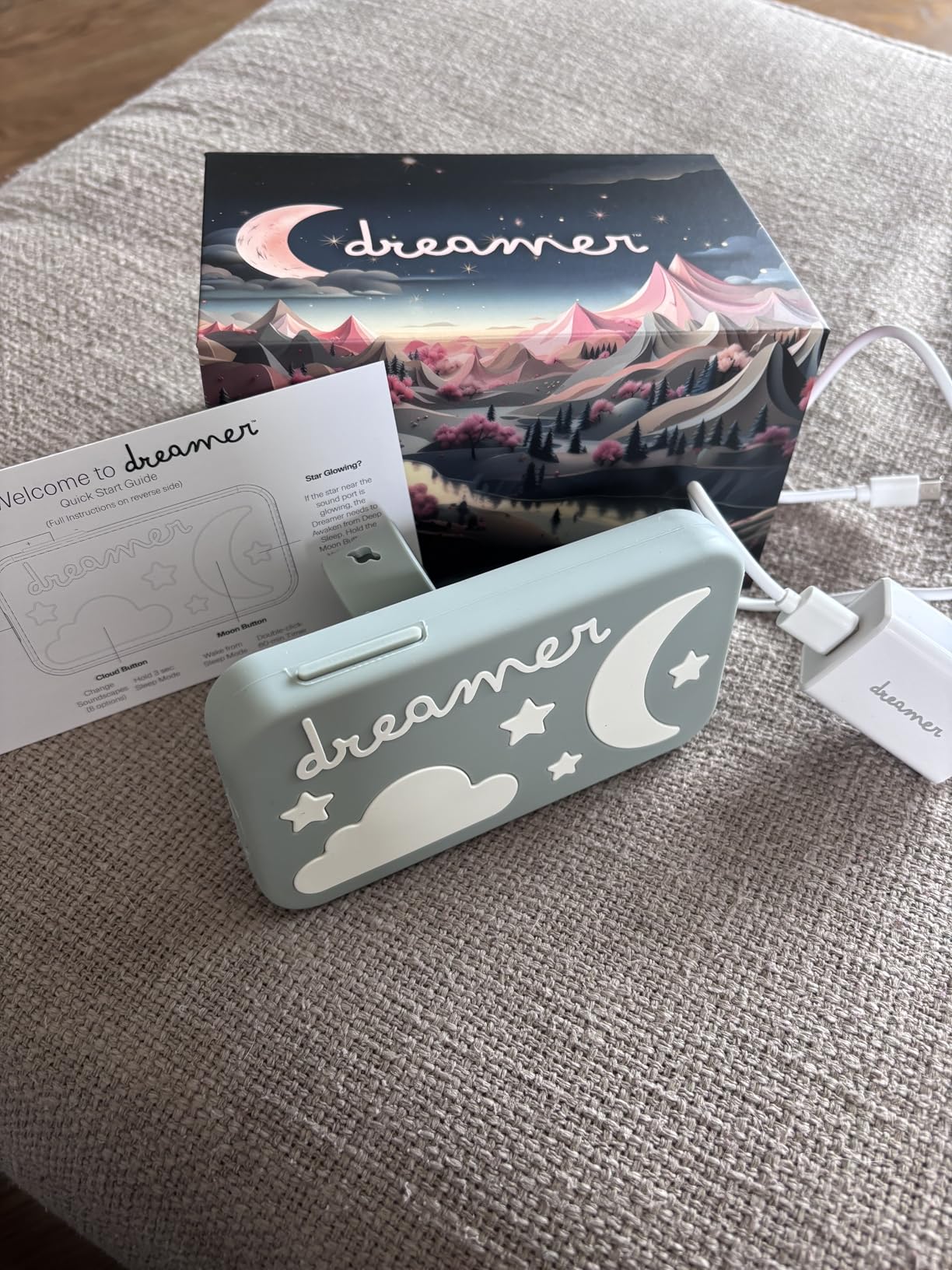
The Dreamer’s built-in nightlight emits a warm, low-lumen amber glow—bright enough to comfort, soft enough to preserve melatonin.
Use it for:
-
Bedtime storytime
-
Nighttime diaper changes
-
Soothing transitions from feeding to sleep
Parents say it’s “cozy, calming, and perfectly gentle.”
❌ Why Most Nightlights Fail
Wi-Fi cameras, bright blue LEDs, and standard white nursery lights may seem useful—but they can:
-
Suppress melatonin
-
Trigger alertness instead of sleep
-
Lead to later sleep onset and more wake-ups
✅ Safe Light, Better Sleep
The Dreamer was designed with circadian support in mind—from frequency to lighting.
Because when your baby’s body knows it’s time to sleep… sleep comes easier.
Want to learn how sound and light work together for sleep?
👉 Explore The Dreamer’s Full Science System →