The short answer: newborns sleep in short bursts around the clock with wake windows of just 45–60 minutes, and by their first birthday most babies are on about two naps with 3–4 hour wake windows and one long overnight stretch. The most useful tool isn't a rigid clock — it's the wake window, the amount of time your baby can comfortably stay awake before the next sleep.
Wake windows and sleep needs by age
These are typical ranges, not rules. Every baby is a little different — use them as a starting point and adjust to your child.
| Age | Wake window | Total sleep / 24 hrs | Naps |
|---|---|---|---|
| Newborn (0–6 weeks) | 45–60 min | 14–17 hours | 4–6 |
| 7–12 weeks | 60–90 min | 14–16 hours | 4–5 |
| 3–4 months | 75–120 min | 12–15 hours | 3–4 |
| 5–6 months | 2–2.5 hours | 12–15 hours | 2–3 |
| 7–9 months | 2.5–3 hours | 12–14 hours | 2 |
| 10–12 months | 3–4 hours | 12–14 hours | 2 |
How to actually use wake windows
Watch your baby, then the clock. Early tired signs — a glazed stare, slowing down, looking away, rubbing eyes — mean the window is closing. Get them down before you hit yawning and fussing, which usually signal overtiredness. An overtired baby fights sleep harder and wakes more, so slightly early beats slightly late almost every time.
Naps: quality and consistency
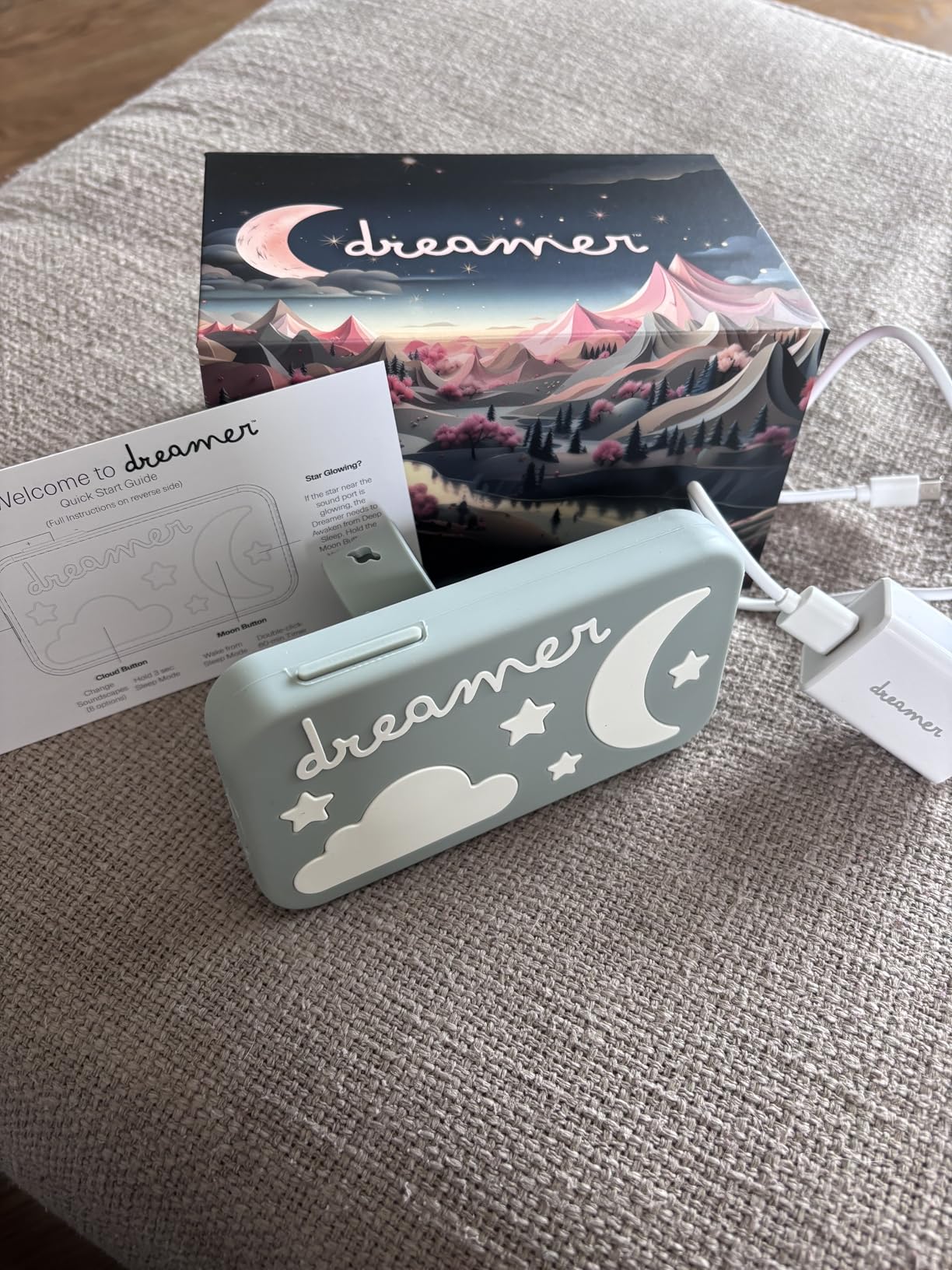
As your baby grows, naps consolidate — the frequent, short newborn naps give way to two predictable naps by the second half of the first year. Keeping the sleep environment consistent for naps and nighttime (a dark room, a comfortable temperature, and the same calming sound each time) helps your baby's brain recognize "this is where I sleep." A steady sound cue is one of the easiest things to keep identical — it's part of why we built Dreamer to run the same soundscape at home or on the go. Keep it around 50 dB or below and across the room; here's the safe-volume guide.
Frequently asked questions
What is a wake window?
It's the length of time a baby can comfortably stay awake between sleeps, including feeding and play. Age-appropriate wake windows help you avoid both under- and over-tiredness.
Should I wake a sleeping baby to keep a schedule?
In the newborn weeks, pediatricians often suggest waking for feeds if your baby sleeps very long daytime stretches or hasn't regained birth weight. Otherwise follow your pediatrician's guidance. Capping very long late-afternoon naps can also protect bedtime.
When do babies drop to two naps?
Often somewhere around 6–9 months, though it varies. Watch for consistently fought or skipped naps as a sign a transition is coming.
Are wake windows the same for every baby?
No. These are typical ranges. Some babies need a bit more or less; your child's cues are the best guide.
Written by Josh Bronfman, Certified Sleep Science Coach and founder of Dreamer. General information, not medical advice — talk with your pediatrician about your child.